

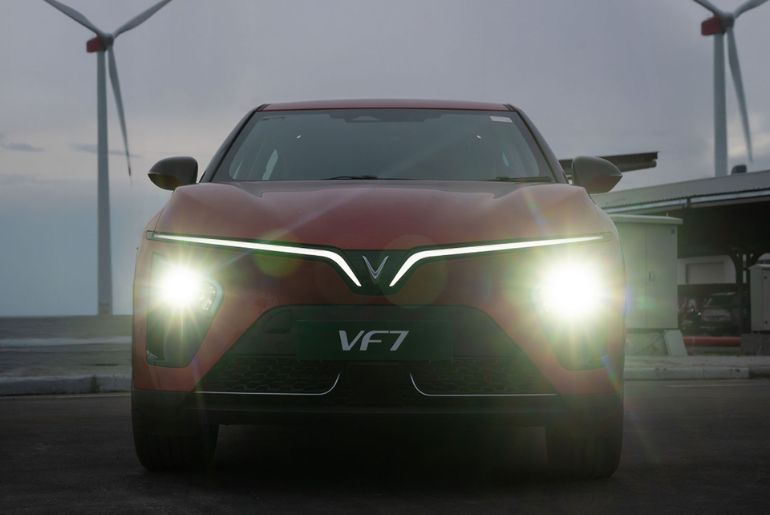
Vietnamese automaker VinFast is reportedly exploring the integration of small petrol engines in some of its electric vehicles (EVs) to act as range extenders, aiming to reduce range anxiety and improve market competitiveness. This move, still in its early planning stage, could mark a strategic shift for the company amid global EV adoption challenges.
Petrol-Assisted EVs: How It Works
The petrol-assisted system under consideration would function as a Range-Extended Electric Vehicle (REEV). In this setup:
-
The petrol engine does not drive the wheels directly.
-
Instead, it acts as an onboard generator, charging the EV battery when necessary to extend the driving range.
-
This approach allows VinFast EVs to maintain the benefits of electric mobility while mitigating long-distance range limitations.
The premium VF9 SUV is among the models reportedly being considered for the REEV configuration.
Why VinFast is Exploring Range Extenders
Industry analysts suggest several reasons for this strategy:
-
Enhancing customer confidence: Many potential EV buyers still hesitate due to charging infrastructure limitations and range anxiety.
-
Boosting competitiveness: REEV technology has been deployed by multiple Chinese EV makers, allowing VinFast to remain competitive in global markets.
-
Addressing slow EV adoption in certain regions: Hybrid solutions can bridge gaps where charging infrastructure is still developing.
Current Status and Uncertainties
-
VinFast has not officially confirmed production plans for petrol-assisted EVs.
-
Job postings for “REEV specialists” indicate that the company is actively researching this technology.
-
It remains unclear whether the range-extender system will be developed in-house or sourced from external providers.
-
The environmental implications of petrol-assisted EVs could slightly compromise VinFast’s zero-emission positioning, but emissions would still be significantly lower than conventional ICE vehicles.
Implications for EV Industry and Buyers
If launched, VinFast’s petrol-assisted EVs could:
-
Increase consumer confidence for long-distance travel.
-
Encourage adoption in regions with underdeveloped EV charging networks.
-
Shape a new sub-segment in the EV market—hybrid-electric vehicles that combine the convenience of petrol with the efficiency of electric power.
This strategy could serve as a pragmatic bridge until EV infrastructure matures globally, particularly in emerging markets like India.
 Click Here to get the latest EV news and exclusive updates from EV Mechanica on WhatsApp!