

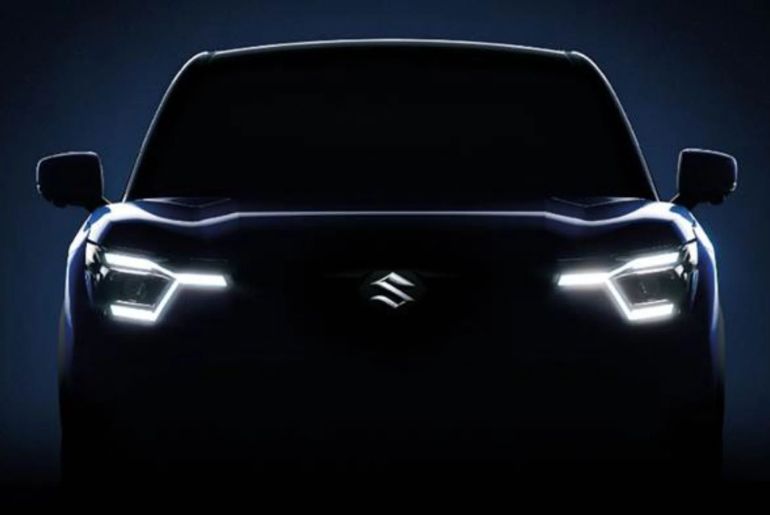
Maruti Suzuki is gearing up to launch its highly anticipated e-Vitara electric SUV in India on December 2nd, marking the company’s entry into the mainstream electric vehicle segment. The model is expected to strengthen Maruti’s position in the rapidly growing EV market and cater to customers seeking an accessible, feature-rich electric SUV.
Expected Price Range and Market Positioning
Industry estimates suggest that the e-Vitara may be priced between ₹22 lakh and ₹28 lakh (ex-showroom), depending on the variant. With this pricing, Maruti Suzuki is likely aiming to compete with popular electric SUVs such as the Tata Nexon EV, Mahindra XUV400, and MG ZS EV.
Design Highlights and Interior Features
The upcoming e-Vitara is expected to feature:
-
A modern, aerodynamic exterior with EV-specific styling elements
-
A digital instrument cluster and a large touchscreen infotainment system
-
Dual-tone interior themes and premium cabin materials
-
Ventilated seats, wireless charging, and connected-car technology
The design is likely inspired by the global Vitara platform, adapted for Indian road conditions and consumer expectations.
Battery, Range and Performance Expectations
Although final specifications will be revealed at launch, the e-Vitara is expected to come with:
-
A 48–60 kWh battery pack
-
An estimated range of 350–400 km on a single charge
-
Fast-charging compatibility for significantly reduced charging times
-
A single motor front-wheel drive configuration
Maruti Suzuki may also highlight its battery safety features and long-term durability—key focus areas for Indian EV buyers.
Advanced Safety and Technology Package
The e-Vitara is expected to be equipped with:
-
Six airbags
-
ABS with EBD
-
Electronic stability program
-
360-degree camera
-
ADAS Level 2 (expected on higher variants)
These features are likely to position the SUV well among safety-conscious urban buyers.
Maruti Suzuki’s EV Roadmap Gains Momentum
The e-Vitara launch aligns with Maruti Suzuki’s broader electric mobility strategy, which includes setting up local battery manufacturing, expanding EV charging infrastructure, and rolling out multiple EV models by 2030. The launch tomorrow is expected to be a major milestone in the company’s transition into the electric era.
 Click Here to get the latest EV news and exclusive updates from EV Mechanica on WhatsApp!