

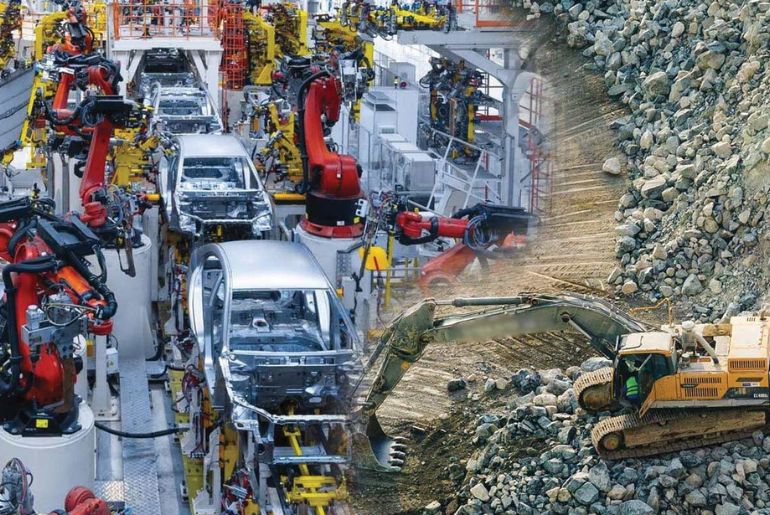
The Government of India is set to issue bids by January 2026 for establishing domestic rare-earth permanent magnet (REPM) manufacturing facilities, a critical step toward strengthening the EV supply chain and boosting self-reliance in advanced technology sectors. The initiative is part of a ₹7,280 crore scheme approved by the Union Cabinet to create a fully integrated rare-earth magnet value chain in the country.
Why Rare-Earth Magnets Are Critical for EVs
Rare-earth permanent magnets are key components in electric vehicles, used in:
-
Traction motors
-
Regenerative braking systems
-
Hybrid and electric powertrains
These magnets are also essential for wind turbines, consumer electronics, defense, and aerospace, making them strategic for India’s clean-energy and high-tech industries. Domestic production will reduce dependence on imports, which have been affected by global supply chain disruptions and export restrictions.
Government’s Scheme and Production Targets
The approved REPM manufacturing scheme aims to:
-
Create 6,000 metric tonnes per annum (mtpa) of rare-earth magnets
-
Select up to five beneficiaries via competitive global bidding
-
Provide each manufacturer with a production capacity of up to 1,200 mtpa
Incentives under the scheme include sales-linked benefits and capital subsidies for setting up manufacturing plants. The government has also facilitated technology development through the Department of Science and Technology, ensuring local expertise for high-quality magnet production.
Impact on India’s EV Supply Chain
The initiative is expected to significantly strengthen India’s EV ecosystem:
-
Ensures reliable domestic supply of critical components for EV motors
-
Reduces dependence on imported rare-earth magnets, improving cost efficiency
-
Encourages private sector investment in EV and clean-energy manufacturing
-
Supports scaling of EV production in line with India’s growing electric mobility targets
Analysts believe that domestic REPM production will also benefit battery, motor, and inverter manufacturers, streamlining the supply chain for EV makers.
Global Context and Strategic Importance
With China dominating the global rare-earth magnet market, India’s move ensures strategic independence and aligns with national priorities such as:
-
Atmanirbhar Bharat (self-reliant India)
-
Strengthening renewable energy adoption
-
Securing critical materials for defence and aerospace applications
The scheme also opens avenues for collaboration with international suppliers from Australia, Africa, and South America to ensure raw-material availability.
Next Steps
-
Bids for rare-earth magnet manufacturing facilities are expected by January 2026
-
Selected manufacturers will set up plants producing high-grade magnets, forming the backbone of India’s EV motor production ecosystem
-
Once operational, the facilities will support the production of electric buses, passenger EVs, and industrial electric motors, accelerating India’s clean-mobility ambitions
 Click Here to get the latest EV news and exclusive updates from EV Mechanica on WhatsApp!