

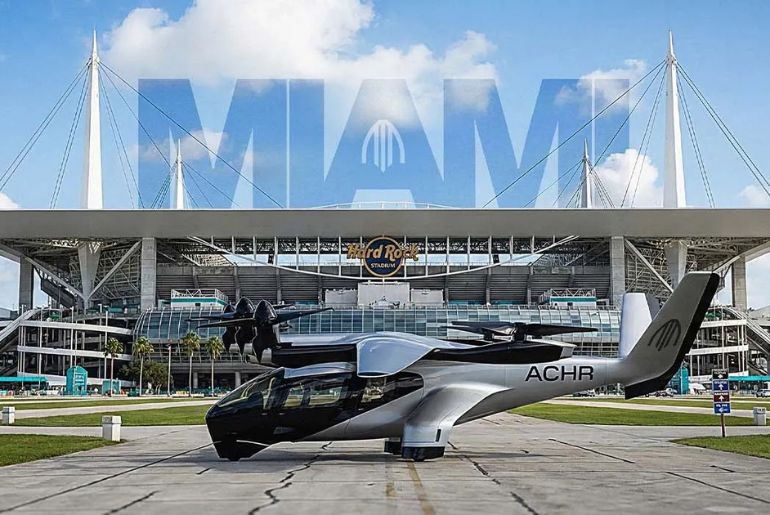
Archer Aviation has outlined plans for a proposed electric air-taxi network in the Miami metropolitan area, aiming to connect key South Florida cities and airports. The concept focuses on linking Miami, Fort Lauderdale, Boca Raton, and West Palm Beach, as well as the region’s primary airports—Miami International Airport (MIA), Fort Lauderdale–Hollywood International Airport (FLL), and Palm Beach International Airport (PBI)—alongside select general aviation airfields. While the network is still in the planning stage, it represents a potential step forward in urban air mobility (UAM) and sustainable regional transportation.
Proposed Network and Infrastructure
The planned air-taxi service would rely on electric vertical take-off and landing (eVTOL) aircraft, enabling short 10–20 minute flights that could significantly reduce travel times across the South Florida corridor. Archer has indicated potential partnerships with real estate and infrastructure firms, such as Related Ross, to develop vertiports and modify existing helipads at locations like Hard Rock Stadium and other strategic sites. These hubs would support efficient boarding, charging, and flight operations, though detailed approvals and regulatory clearances are pending.
Benefits of Electric Air-Taxi Mobility
If implemented, the electric air-taxi network could:
-
Offer faster, congestion-free travel across urban and suburban areas
-
Reduce environmental impact through low-emission electric aircraft
-
Provide an alternative to traditional ground transportation for airport transfers and intercity travel
Challenges and Next Steps
The project is in a conceptual and planning stage, requiring regulatory approvals from aviation authorities, eVTOL certification, and construction of vertiport infrastructure. Archer has not provided a confirmed timeline for launch, and the proposed network remains subject to feasibility studies and city coordination.
Looking Ahead
The Miami air-taxi concept reflects the growing interest in urban air mobility solutions across the U.S., particularly in traffic-congested metro regions. While still in development, Archer’s proposal could signal the next wave of sustainable, fast, and flexible transportation options if successfully executed.
 Click Here to get the latest EV news and exclusive updates from EV Mechanica on WhatsApp!